
Where Can You Find the Perfect Banquet Facilities for Your Celebration in Miami?
Understanding What Constitutes Exceptional Banquet Facilities
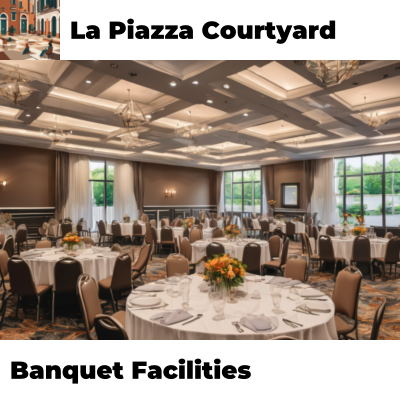
Planning an event requires meticulous attention to detail, and the venue itself serves as the foundation upon which all other elements rest. Banquet facilities represent far more than merely a space with tables and chairs—they embody the essence of hospitality, functionality, and aesthetic appeal combined into one cohesive environment. When individuals search for banquet halls, they're fundamentally seeking a location that transforms their vision into reality, a place where memories crystallize and moments become treasured experiences.
The distinction between ordinary event spaces and genuinely exceptional banquet facilities lies in the comprehensive ecosystem they provide. True banquet facilities offer not simply a blank canvas, but rather an orchestrated environment where lighting, acoustics, spatial flow, and architectural character work harmoniously. These venues understand the psychology of celebration—they grasp how guests move through space, where natural focal points emerge, and how the physical environment influences the emotional tenor of an event.
The Critical Components That Define Quality
Several interconnected elements determine whether a venue qualifies as a premium banquet facility. First, the layout must accommodate diverse event configurations. Some celebrations call for theatrical-style seating, while others demand intimate round-table arrangements or standing reception formats. The architectural bones of the space become crucial here—high ceilings provide grandeur and prevent that claustrophobic sensation that plagues poorly designed venues. Natural light, when available, creates an atmosphere vastly superior to spaces reliant solely on artificial illumination.
Acoustic properties warrant serious consideration as well. Conversations shouldn't reverberate into incoherent noise; rather, the space should possess inherent sound management that allows people to engage meaningfully. Poor acoustics transform even the most elegant celebration into a frustrating experience where guests struggle to hear one another.
Why Venue Selection Impacts Your Overall Event Success
The venue fundamentally influences guest experience in ways many event planners underestimate. When people arrive at a beautifully conceived banquet facility, psychological research suggests they enter a more generous emotional state. The surroundings prime them for celebration, for connection, for joy. Conversely, a cramped, poorly maintained space creates subtle stress that undermines even the most carefully orchestrated event programming.
Infrastructure matters considerably—adequate restroom facilities, efficient kitchen access, proper climate control, and flexible technological capabilities all contribute to seamless event execution. These practical considerations prevent the behind-the-scenes chaos that compromises guest satisfaction.
Exploring La Piazza Courtyard's Strategic Location and Accessibility
Located at 13400 La St, Miami, FL 33121, La Piazza Courtyard occupies a particularly advantageous position within the Miami metropolitan area. The venue's geographic placement considers both accessibility for arriving guests and the unique character that Miami's diverse neighborhoods provide.
Navigating Miami's Transportation Networks
Miami's sprawling geography presents transportation challenges that many venues overlook. La Piazza Courtyard's location accounts for major thoroughfares and recognizes how guests traveling from different neighborhoods will navigate to the facility. The venue's placement facilitates access whether guests arrive via personal vehicles, rideshare services, or public transportation options.
The surrounding area contributes substantially to the overall guest experience. Guests arriving for events appreciate venues situated in vibrant neighborhoods rather than isolated commercial zones. La Piazza Courtyard benefits from proximity to Miami's diverse communities, each bringing its own cultural richness and character to the broader region. This positioning ensures that pre-event and post-event experiences—gathering nearby for refreshments or exploring the surrounding area—enhance the overall celebration rather than creating dead zones of empty commercial real estate.
Parking and Convenience Considerations
Practical accessibility concerns often receive insufficient attention when evaluating banquet facilities. The venue's location and parking infrastructure directly impact guest satisfaction. When attendees must circle endlessly seeking parking, frustration accumulates before events even commence. La Piazza Courtyard acknowledges these real-world constraints, ensuring that logistical convenience supports rather than detracts from celebration.
The venue's placement within Miami also recognizes that many guests may be traveling from considerable distances. Whether attendees arrive from the northern suburbs, from downtown Miami, or from surrounding areas, the location balances accessibility with the distinctive character that makes Miami's various neighborhoods compelling.
Discovering Versatile Space Configurations for Distinct Event Styles
Banquet facilities must transcend one-dimensional functionality to serve the remarkable diversity of celebrations Miami's population generates. Weddings demand entirely different spatial requirements than corporate galas. Quinceañeras necessitate different configurations than milestone birthday celebrations. Bar and bat mitzvahs call for specific amenities unlike those required for anniversary parties or family reunions.
Adaptable Layouts Supporting Multiple Event Typologies
The most significant advantage sophisticated banquet facilities offer involves their ability to reconfigure spaces for entirely different event styles. This requires not merely flexible furniture but genuinely thoughtful architectural planning. Walls that open and close, lighting systems that transform ambiance, and furniture arrangements that expand or contract according to need—these elements distinguish facilities that truly understand event execution from those that simply rent space.
Consider the following event types that benefit from specialized spatial configurations:
- Wedding ceremonies requiring processional routes and altar placement
- Wedding receptions demanding dance floors, buffet stations, and intimate dining arrangements
- Corporate conferences needing breakout rooms alongside main ballroom spaces
- Cocktail receptions maximizing standing room and mingling opportunities
- Gala dinners requiring formal table arrangements and presentation areas
- Community celebrations incorporating entertainment stages and dance floors
- Religious observances demanding specific ceremonial spaces
- Family reunions prioritizing accessibility and multiple gathering zones
- Professional conferences with presentation technology and seminar breakouts
- Quinceañera celebrations combining ceremony, reception, and dancing areas
The Importance of Multipurpose Functionality
Modern event planners appreciate venues that refuse to be pigeonholed into single purposes. La Piazza Courtyard's commitment to versatility reflects an understanding that celebration itself takes infinite forms. Rather than forcing clients to adapt their visions to rigid spatial constraints, exceptional banquet facilities adapt themselves to honor each celebration's unique character.
The spatial flexibility extends beyond mere furniture rearrangement. Quality venues integrate technological infrastructure that supports diverse event needs—audiovisual capabilities for presentations, sound systems optimized for both ceremony and celebration, lighting that ranges from intimate to dramatic. These integrated systems must function seamlessly rather than requiring frantic troubleshooting during event execution.
Examining Amenities and Services That Transform Venues into Comprehensive Solutions
The distinction between adequate banquet facilities and genuinely exceptional ones manifests in the comprehensive service ecosystem surrounding the physical space. Many venues treat themselves as passive landlords—they provide walls and floors, then expect clients to orchestrate everything else. Superior facilities recognize that their role extends far beyond providing square footage.
On-Site Culinary and Catering Coordination
Food represents perhaps the most critical element of celebration, yet many venues disconnect themselves from culinary execution. La Piazza Courtyard understands that exceptional dining experiences require coordination between venue management, culinary professionals, and service staff. The facility's approach to catering services acknowledges that food quality, presentation, and service timing fundamentally influence guest satisfaction.
Different celebration styles demand distinct culinary approaches:
- Formal sit-down dinners requiring sophisticated plating and paced service courses
- Buffet presentations needing strategic station placement and traffic flow management
- Cocktail receptions featuring passed hors d'oeuvres and stationed food experiences
- Family-style service emphasizing shared dishes and communal dining
- Station-based dining offering diverse culinary choices without formal serving
- Dessert receptions celebrating sweet treats as primary focus
- Late-night snacks extending celebration energy into evening hours
The venue's integration with culinary operations prevents the frustration that emerges when kitchen logistics conflict with event timing or when service staff lack venue familiarity.
Technical Infrastructure Supporting Modern Celebrations
Contemporary celebrations increasingly incorporate technological elements that would have seemed extraordinary merely a decade ago. Video projection, lighting effects, sound reinforcement, and interactive technology have become expected rather than exceptional. Banquet facilities must provide not merely the capability to accommodate this technology but seamlessly integrated systems that function reliably during crucial moments.
The technological requirements vary dramatically based on event type:
- Audiovisual projection for presentations and slideshows
- Professional lighting systems creating ambiance and emphasis
- Sound reinforcement for ceremonies, speeches, and music
- Microphone systems for toasts, announcements, and entertainment
- Video recording and livestreaming capabilities expanding audience reach
- Wireless connectivity supporting guest engagement and professional needs
- Interactive displays for welcome messages or informational purposes
- Stage lighting coordinating with performance or ceremony elements
- Dance floor lighting synchronized with musical selections
- Ambient environmental controls managing temperature across varied densities
Assessing Cost-Effectiveness Without Compromising Quality Standards
The economic dimension of venue selection often creates tension between aspirations and budget constraints. Yet conflating affor
dability with inferior quality represents a false dichotomy. Exceptional banquet facilities demonstrate that reasonableness in pricing need not correlate with compromised experiences or dated aesthetics.
Understanding Venue Pricing Models and Value Propositions
Banquet facilities employ various pricing structures, each reflecting different operational philosophies. Some venues charge per-person catering rates that include facility rental within their food service costs. Others separate venue rental fees from culinary charges, allowing clients to understand precisely what they're purchasing. Transparent pricing models facilitate genuine comparison shopping rather than obscuring true costs behind vague packages.
The value proposition extends beyond simple price per person. When evaluating investment in a banquet facility, clients should consider what's genuinely included versus what represents additional charges. Exceptional venues bundle services that justify their pricing through efficiency and integrated coordination. Rather than piecing together independent vendors for catering, music, photography, and technical support—each introducing friction and coordination complexity—comprehensive banquet facilities streamline these elements.
Consider these frequently misunderstood cost factors:
- Facility rental fees separate from food and beverage charges
- Service staff gratuities and overtime considerations
- Equipment rental for specialized needs beyond standard offerings
- Valet parking or enhanced parking accommodations
- Setup and breakdown time included versus charged additionally
- Decorative elements provided by venue versus outside vendor requirements
- Alcohol service licensing and beverage cost structures
- Technical support and equipment operation during events
- Climate control during seasonal extremes
- Lighting design consultation and implementation
Maximizing Budget Without Sacrificing Experience Quality
Smart event planning involves understanding where strategic investments yield disproportionate returns and where economizing creates minimal impact. A mediocre venue cannot be transformed into exceptional through supplemental decoration. Conversely, an architecturally compelling space with excellent service and culinary execution creates memorable experiences even with modest decorative embellishment.
Facilities like La Piazza Courtyard recognize that their strength lies in providing inherent quality that doesn't require expensive cosmetic enhancement. When the bones of a space are genuinely beautiful—authentic architectural character, proportionate dimensions, natural light, elegant finishes—the venue itself becomes the celebration's backdrop rather than requiring elaborate redesign.
The economic efficiency compounds when venues maintain consistent operational standards. Rather than discovering on event day that promised services mysteriously cost extra, transparent facilities communicate comprehensively about what's included. This predictability prevents the budget overruns that transform enthusiasm into financial stress.
Seasonal Considerations Affecting Pricing and Availability
Miami's unique climate creates seasonal patterns that influence both pricing and space availability. Peak celebration seasons—the winter holidays and early spring—command higher pricing while reducing scheduling flexibility. Conversely, summer months, despite Miami's heat and occasional weather unpredictability, often feature more affordable rates and greater venue availability.
Sophisticated clients recognize that celebrating during off-peak seasons need not diminish experience quality. Modern climate control and event management eliminate the discomfort associated with Miami's summer heat. Strategic timing can yield substantial savings while maintaining the sophisticated celebration experience that premium venues provide.
The seasonal dynamic also influences vendor availability and pricing throughout Miami's event industry. Catering services, entertainment providers, and photography professionals all experience cyclical demand patterns. Venues that understand these rhythms can better coordinate comprehensive services for clients celebrating during less conventional seasons.
Distinguishing La Piazza Courtyard Through Authentic Character and Proven Track Record
Beyond technical specifications and amenities, banquet facilities ultimately succeed based on intangible elements that accumulate through consistent excellence and genuine commitment to client satisfaction. La Piazza Courtyard's reputation emerges from demonstrated reliability, from celebrations executed flawlessly, from guests leaving events feeling genuinely celebrated rather than merely processed through a commercial venue.
The Significance of Courtyard Design in Event Settings
The courtyard typology holds particular significance in celebration design, particularly within Miami's cultural context. Courtyards evoke intimate gathering spaces while maintaining the sophistication of architectural refinement. This design approach connects to centuries of celebration tradition—from Mediterranean plazas where communities gathered to celebrate collectively, to Spanish colonial courtyards where families marked life's significant transitions.
La Piazza Courtyard's name itself communicates this design philosophy. "Piazza"—the Italian word for public square—references the democratic gathering spaces where celebrations occurred naturally, where architecture supported human connection. This conceptual foundation distinguishes the facility from generic banquet halls that prioritize mere functionality.
Courtyard venues offer distinct advantages that rectangle-shaped ballrooms cannot replicate:
- Natural sight lines allowing guests to see and engage with one another
- Distinctive architectural framing creating visual interest without requiring excessive decoration
- Outdoor-indoor transitions providing spatial variety and psychological refreshment
- Natural ventilation possibilities reducing reliance on mechanical systems
- Multiple entry and exit routes preventing bottleneck congestion
- Authentic character emerging from architectural bones rather than applied decoration
- Photographic opportunities capitalizing on genuine architectural appeal
- Flexible sightlines for ceremonies eliminating the front-and-back orientation that plagues ballrooms
Reputation Building Through Consistent Excellence
Venues establish credibility through years of successful events, through references from satisfied clients, and through demonstrated commitment to detailed execution. La Piazza Courtyard's position within Miami's celebration community reflects a track record of excellence that transcends marketing claims. Real reputation emerges when clients voluntarily recommend venues to friends, when word-of-mouth referrals prove more powerful than advertising.
The venue's commitment manifests in attention to details that guests might never consciously register but would immediately notice if absent. Staff trained in hospitality excellence, facilities maintained to immaculate standards, technical systems tested and verified rather than hoped to function, catering executed by culinary professionals rather than volume food production operations—these elements accumulate into experiences that feel effortless from the guest perspective while reflecting meticulous planning.
Cultural Competency in Miami's Diverse Community
Miami's vibrant multicultural character means that sophisticated venues must honor diverse celebration traditions. Weddings celebrate within Jewish, Christian, Muslim, and secular frameworks, each with distinct ceremonial and social requirements. Quinceañeras represent specifically Latin American celebration traditions with particular significance to Miami's community. Corporate events bring professionals from backgrounds worldwide. Family reunions gather people of varied ages and relationship patterns.
Exceptional banquet facilities demonstrate cultural competency—genuine understanding and respectful accommodation of diverse celebration styles rather than treating all events as identical variations. This competency emerges through training, through accumulated experience with diverse communities, and through flexibility grounded in genuine respect for different traditions.
La Piazza Courtyard's Miami location positions it within one of North America's most culturally dynamic regions. This context shapes the venue's evolution, ensuring that the facility learns continuously how to honor the remarkable diversity of celebrations its clients envision.
Evaluating Guest Experience Elements That Create Lasting Impressions
Beyond logistics and technical specifications, banquet facilities fundamentally impact how guests experience celebration itself. The physical environment influences social dynamics, affects mood and energy levels, and creates conditions for authentic human connection or, conversely, for alienation and discomfort.
Spatial Flow and Movement Patterns Within Event Areas
How guests navigate through a venue profoundly influences their experience, though this reality often remains unconsidered during initial venue evaluation. Poor spatial flow creates bottlenecks where guests congregate uncomfortably. Inadequate signage leaves visitors uncertain about restroom locations or where specific activities occur. Inaccessible areas frustrate guests with mobility limitations. Multiple levels without sufficient wayfinding create confusion and fatigue.
Exceptional venues anticipate these movement patterns, designing circulation routes that feel natural rather than forced. Cocktail reception areas provide sufficient space for mingling without overcrowding. Transition areas between ceremony and reception allow guests to naturally flow between activities. Multiple restroom locations prevent extensive queuing. Wayfinding employs subtle cues rather than garish signage.
The following movement-related factors influence overall guest satisfaction:
- Clear pathways from parking to venue entrance without confusion
- Intuitive circulation patterns through reception and dining areas
- Strategic placement of bars, beverage stations, and food service
- Adequate restroom facilities with reasonable queuing during peak times
- Accessible routes accommodating guests with mobility devices
- Climate-controlled transitions between outdoor and indoor spaces
- Staff positioned to guide guests and prevent confusion
- Emergency exits clearly marked while remaining aesthetically integrated
- Coat check and personal item storage preventing cluttered spaces
- Separate pathways for service staff preventing collision with guests
Climate Control and Environmental Comfort
Miami's subtropical climate creates particular challenges for comfortable indoor events. Venues that fail to manage temperature effectively create experiences where guests focus on physical discomfort rather than celebration. Excessive air conditioning leaves guests in formal attire feeling chilled. Insufficient cooling transforms spaces into stifling environments where dancing becomes uncomfortable and outdoor areas become unusable.
Sophisticated venues employ zone-based climate control, adjusting temperature based on specific areas' usage patterns and guest density. Dance floors generate substantial heat requiring enhanced cooling. Dining areas benefit from slightly warmer settings. Reception areas accommodate varying comfort preferences through strategic ventilation and airflow management.
Beyond temperature, humidity control becomes critical in Miami